

what does laminated glass mean
The Magnetic V Block from Storan represents a significant advancement in precision engineering tools, designed to support cylindrical workpieces during machining, measurement, and alignment processes. This article explores the product's features, technical specifications, applications, and the company background, while incorporating authoritative references to ensure credibility. # Product Overview Manufactured by Storaen (Cangzhou) International Trading Co., a leading supplier based in Hebei, China, the Magnetic V Block is engineered to meet the demands of modern industrial applications. The product is crafted from high-quality steel, ensuring durability and precision. Its design integrates magnetic force in both the V-shaped groove and the base, enabling secure clamping of cylindrical components such as shafts, tubes, and sleeves. This innovation simplifies alignment tasks, reducing the risk of errors during machining operations. # Key Features Integrated Magnetic Force: The V-shaped groove and bottom surface are equipped with strong magnets, allowing the block to securely hold cylindrical and angular workpieces without additional clamping mechanisms. High Accuracy: The Magnetic V Block ensures precise alignment of workpieces, making it ideal for applications requiring verticality and concentricity checks. Easy to Use: Its intuitive design minimizes setup time, enabling operators to quickly position and secure workpieces for machining or measurement. Versatile Applications: Suitable for grinding, line cutting, and other machining processes, the block adapts to various industrial needs. # Technical Specifications Parameter Details Material Steel Model Number 2002 Place of Origin Hebei, China Lead Time 7 days for 1-100 pieces; negotiated for quantities >100 Applications Testing verticality and concentricity of cylindrical parts # Applications in Industrial Processes The Magnetic V Block is a critical tool in various manufacturing scenarios. Its primary use involves supporting and aligning cylindrical workpieces during machining operations. By ensuring the workpiece axis is parallel to the benchmark countertop, the block facilitates accurate tooling for processes like grinding and line cutting. The magnetic force also allows for the secure placement of irregularly shaped components, such as 45° angle-holding square workpieces, without the need for additional fixtures. According to the National Institute of Standards and Technology (NIST), precision in manufacturing is essential for maintaining product quality and operational efficiency. NIST emphasizes that tools like the Magnetic V Block contribute to the development of standardized processes, which are vital for industries reliant on high-accuracy measurements. This aligns with NIST's mission to advance technology through research and measurement standards. # Product Images Below are images of the Magnetic V Block, showcasing its design and functionality: # Company Background: Storaen (Cangzhou) International Trading Co. Storaen (Cangzhou) International Trading Co. is a reputable manufacturer and supplier of industrial tools and machinery, specializing in precision engineering solutions. Based in Hebei, China, the company leverages advanced manufacturing techniques to produce high-quality products tailored to global market demands. Their commitment to innovation and quality control ensures that products like the Magnetic V Block meet international standards. The company’s product range includes a variety of machining services, such as broaching, drilling, and laser machining, catering to diverse industries. By prioritizing customer satisfaction and adhering to rigorous quality assurance protocols, Storaen has established itself as a trusted partner for manufacturers seeking reliable tools for their operations. # Why Choose the Magnetic V Block? The Magnetic V Block offers several advantages that make it a preferred choice for industrial applications: Enhanced Precision: The magnetic clamping system ensures minimal movement of workpieces, reducing errors during machining. Time Efficiency: Its user-friendly design streamlines setup and alignment processes, saving valuable production time. Durability: Constructed from high-grade steel, the block is built to withstand demanding environments and prolonged use. Cost-Effectiveness: By minimizing the need for additional clamping tools, the Magnetic V Block reduces overall operational costs. # Industry Relevance and Standards The integration of magnetic technology in the V Block reflects broader trends in industrial innovation, where automation and precision are paramount. As highlighted by NIST, the development of standardized tools and techniques is crucial for advancing manufacturing practices. NIST ’s research into measurement science directly supports the creation of tools like the Magnetic V Block, ensuring they meet the exacting standards required for modern production environments. Moreover, the Magnetic V Block aligns with global efforts to improve manufacturing efficiency. According to NIST , advancements in metrology (the science of measurement) are pivotal for industries aiming to reduce waste and enhance product reliability. By providing a reliable solution for aligning workpieces, the Magnetic V Block contributes to these goals, demonstrating the practical application of metrological principles. # Conclusion The Magnetic V Block is a testament to the synergy between engineering innovation and industrial needs. Its magnetic clamping system, combined with high precision and durability, makes it an indispensable tool for manufacturers. As industries continue to prioritize accuracy and efficiency, tools like the Magnetic V Block will play a vital role in shaping the future of manufacturing. # References National Institute of Standards and Technology (NIST) . (n.d.). Retrieved from https://www.nist.gov .
about
what does laminated glass mean
Understanding 6G and 6H Thread Gauges Precision in Engineering In the world of engineering and manufacturing, thread gauges play a crucial role in ensuring the accuracy and functional integrity of threaded components. Among the various classifications of thread gauges, the 6G and 6H designations are particularly important, especially in applications involving tight tolerances and high-performance requirements. Understanding the differences between these two types of gauges is essential for engineers, manufacturers, and quality control specialists. What are Thread Gauges? Thread gauges are tools used to measure the size and pitch of threads on screws, bolts, and other fasteners. They come in various specifications to accommodate different types of threads, including Unified, Metric, and Whitworth threads. The accuracy of these gauges is critical, as even slight deviations can lead to assembly issues, product failures, or safety hazards. Introducing 6G and 6H Thread Gauges The distinction between 6G and 6H gauges mainly revolves around the tolerance classes they represent. In general, the “G” and “H” designation stands for General and Holding, respectively. 6g 6h thread gauges 1. 6G Thread Gauges The 6G tolerance class is often used for external threads, such as those found on bolts and studs. This class provides a medium level of tolerance, which allows for easy assembly while ensuring sufficient strength and reliability of the fastened joint. The 6G specification is characterized by a more significant allowance for variation, making it suitable for applications where parts may need to fit together while still accommodating some manufacturing error. 2. 6H Thread Gauges In contrast, the 6H class is designed for internal threads, such as those in nuts and tapped holes. The 6H tolerance is tighter than that of 6G, promoting a higher degree of precision. This class is particularly beneficial in applications where consistent performance is critical, and any slack in fit could lead to malfunction or decreased load-bearing capability. Applications and Importance Both 6G and 6H gauges are essential in industries ranging from aerospace to automotive manufacturing, where precision and reliability are paramount. The choice of gauge depends on the specific requirements of the application. Engineers often select 6G for general use, where some tolerance is acceptable, while 6H is favored in precision applications demanding greater control over dimensional accuracy. Conclusion In conclusion, the choice between 6G and 6H thread gauges can significantly impact the quality and performance of mechanical assemblies. Understanding their differences allows engineers to select the appropriate gauge for their specific application needs, ensuring both efficiency in production and reliability in the final product. In an era where precision engineering is more important than ever, mastering the subtleties of thread gauge specifications is essential for successful manufacturing practices.
-

High quality industrial productsagement

High quality industrial products
View Details -

Meet the diverse needs of customers

Meet the diverse needs of customers
View Details -

Strict quality control

Strict quality control
View Details -

Top raw materials

Top raw materials
View Details -

Trusted supplier

Trusted supplier
View Details
Our application
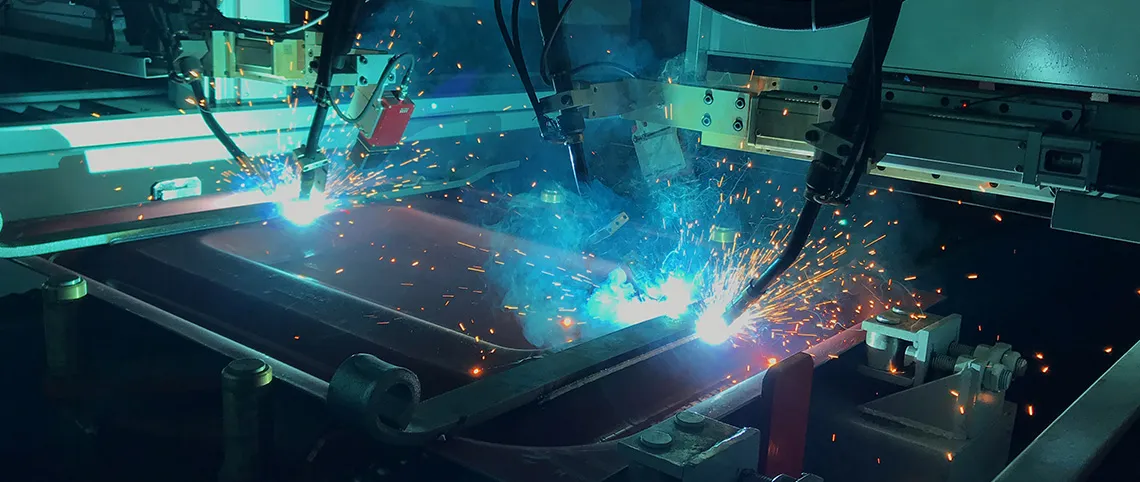
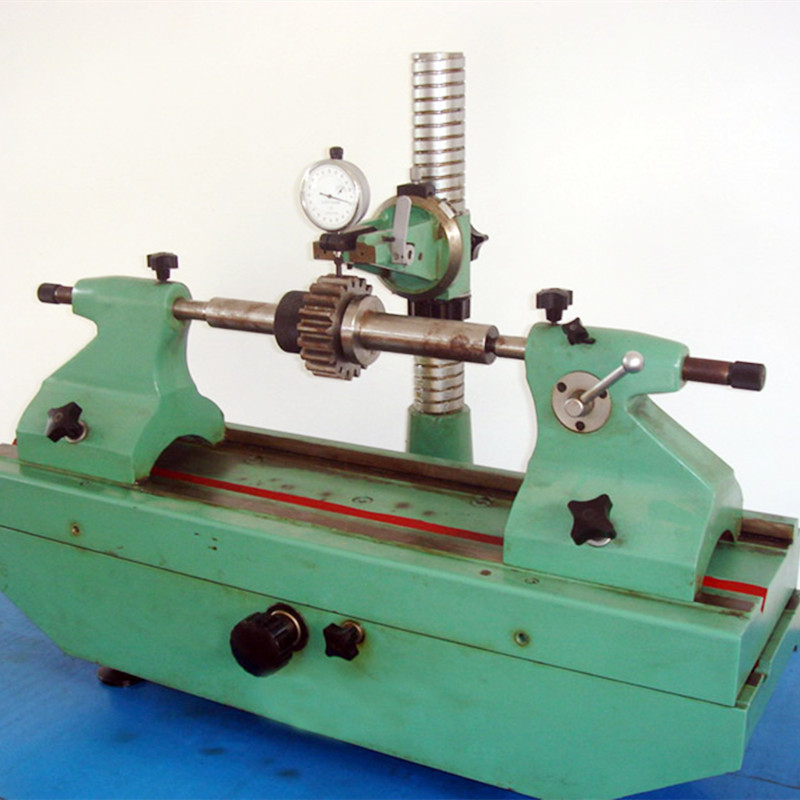
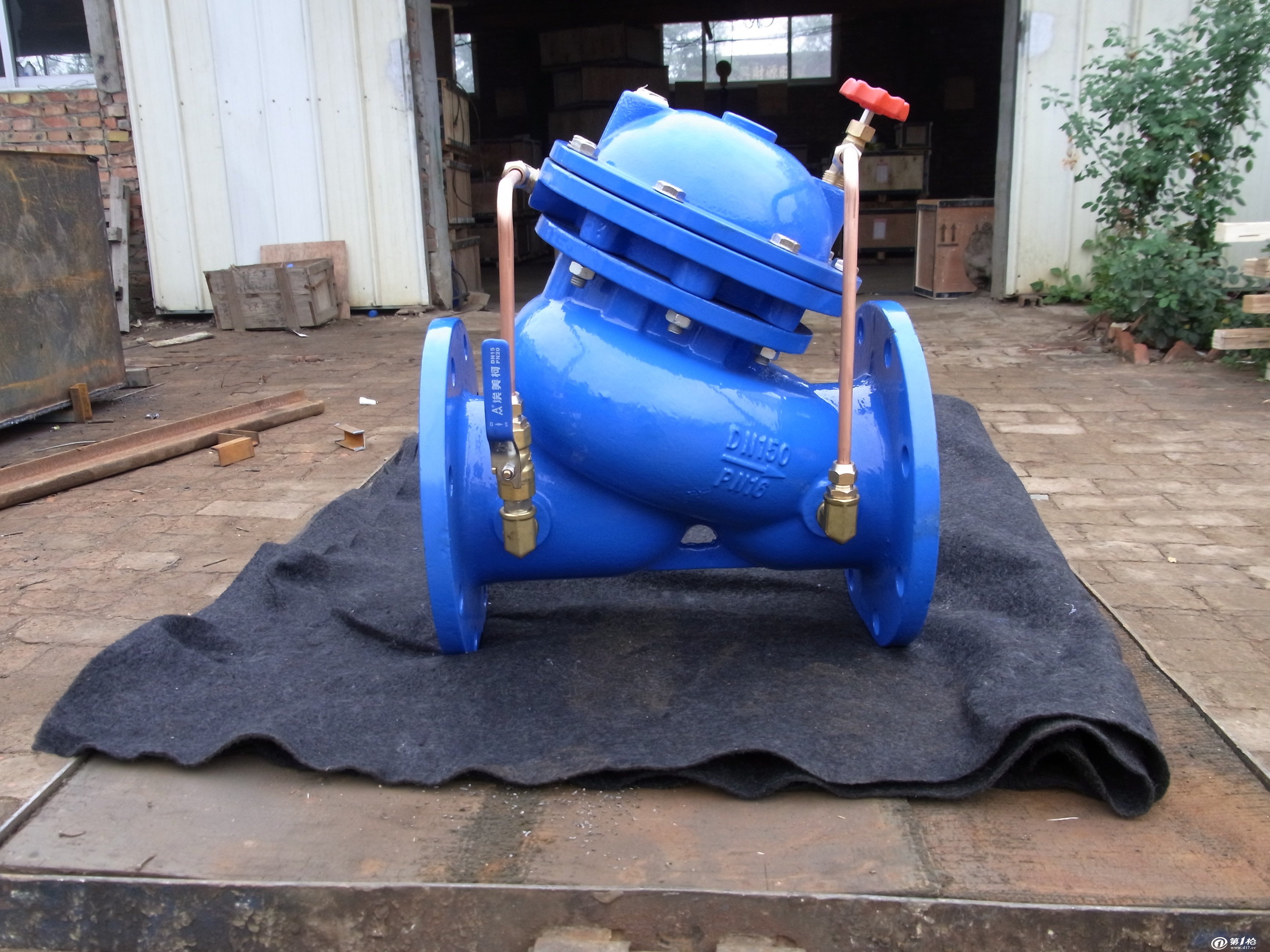
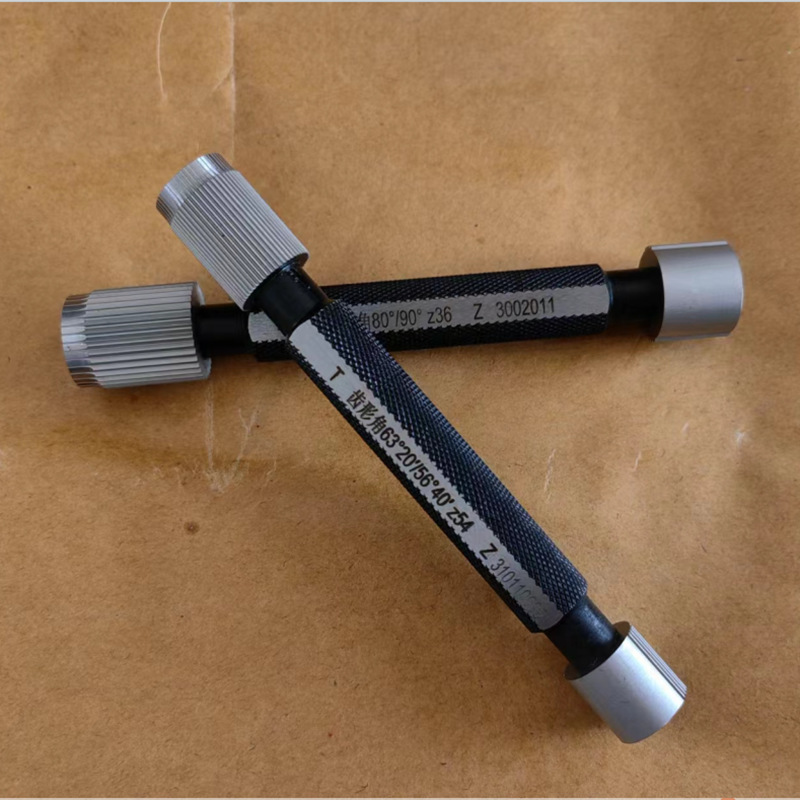
news and information
Valvola a ghigliottina 3 4 - Valvole di alta qualità per applicazioni industriali
Titolo La Valvola a Fune del 3% e del 4% Un Approfondimento sulle Valvole più Utilizzate . Ma cosa r

water valve pressure
Effectively managing water systems at home or in industrial settings hinges on understanding the nua

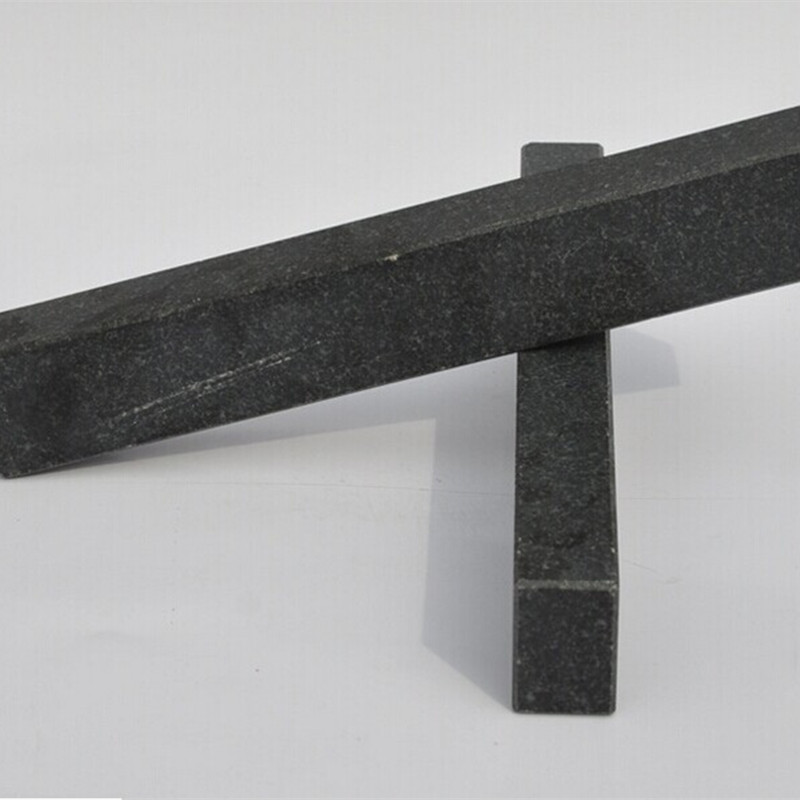
Versatile Granite Square Ruler for Precision Measuring and Construction Tasks
The granite square ruler, often celebrated as a pivotal tool in precision measurement and classical
 English